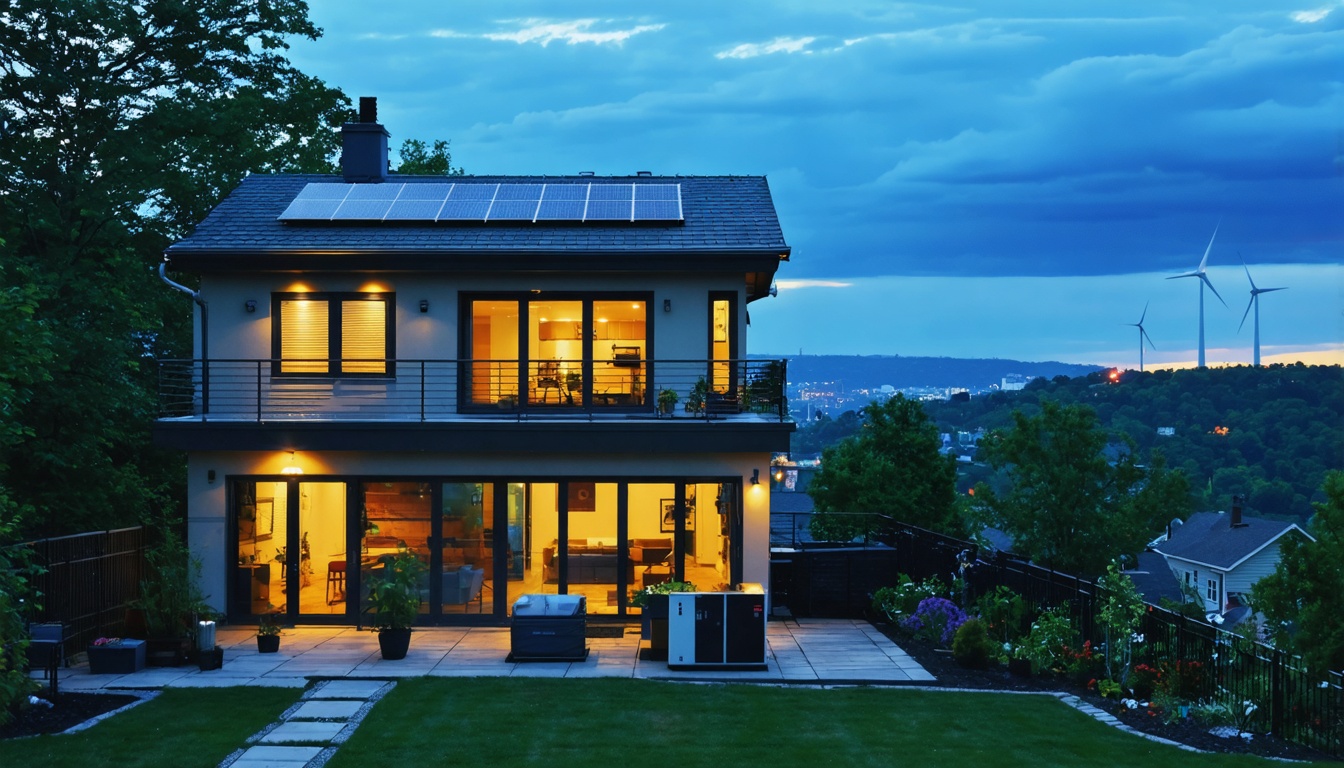
What a More Resilient Home Energy Plan Looks Like in Yonkers, New York
Living in Yonkers, residents face challenges related to energy costs and the potential for outages due to unpredictable weather. As the city experiences growth, the demand for energy services increases, leading to potential risks related to higher utility bills and service interruptions. Developing a resilient home energy plan involves several strategies aimed at reducing vulnerability to these issues. This can include investing in energy-efficient appliances, integrating renewable energy sources such as solar panels, and implementing energy storage systems like batteries. These technological solutions not only help in managing energy costs but also contribute to environmental sustainability by reducing reliance on fossil fuels. Furthermore, enhancing insulation and adopting smart home technologies can lead to improved energy management, making it easier to monitor and control usage. Such measures can significantly lower energy consumption during peak demand periods, which can also mitigate the risk of outages. The implementation of these changes can have a direct impact on daily life. With a more resilient energy system, homeowners are likely to experience increased energy security, potentially lower utility costs, and a smaller carbon footprint. Therefore, while the upfront investment in these technologies may be significant, the long-term benefits can provide substantial returns in both economic savings and environmental impact.
Key Components of a Resilient Home Energy Plan
A resilient home energy plan in Yonkers is based on principles of efficiency and sustainability. The Yonkers Energy Savings Program is projected to yield significant financial benefits, estimating a total of $31 million in savings over the next 20 years for city facilities.
Important aspects of this plan involve retrofitting existing buildings, especially through upgrades to heating, ventilation, and air conditioning (HVAC) systems. These improvements can lead to reductions in energy costs while also decreasing emissions and greenhouse gas output.
Moreover, effective home energy plans should focus on systems that enhance community health and support local economic development. Collaborating with local businesses can provide economic benefits while also fostering a stronger sense of community resilience.
Various program opportunities are available to support these efforts, including the Equity Strategy, Stations Online Payments Recycle CodeRED, Green Initiatives, and the Electric Leaf Blower Rebate.
Aligning individual home energy plans with Yonkers’ climate action objectives is recommended, as it can contribute to creating a more sustainable environment and improving residents’ overall quality of life.
Implementing these strategies is essential for ensuring that energy usage aligns with both immediate needs and long-term environmental sustainability goals.
Integration of Renewable Energy Sources
The integration of renewable energy sources plays a significant role in Yonkers' sustainability efforts. Initiatives such as Westchester Power provide local businesses and residents with access to a supply of 100% renewable energy.
The city's comprehensive plan, informed by extensive research, aims to reduce energy costs, diminish greenhouse gas emissions, and lower overall energy consumption.
Recent construction projects, including the Justice Sonia Sotomayor School, incorporate energy-efficient technologies, such as heat pumps and solar panels. These technologies are designed to reduce dependence on non-renewable energy sources.
Additionally, the increase in electric vehicle charging stations addresses the growing demand for electric vehicles, which may support local economic development and lead to job creation.
Yonkers' Climate Action strategy is organized around a framework that aligns with various established sustainability objectives.
This approach underscores the significance of collaborative efforts in promoting environmental sustainability and enhancing community health.
Advances in Home Energy Efficiency
Recent advancements in home energy efficiency have influenced Yonkers' initiatives aimed at reducing energy consumption and greenhouse gas emissions. The Yonkers Climate Action Plan emphasizes building upgrades, including Solar Battery Installation in Yonkers and a municipal program that targets improvements in energy efficiency across 37 city facilities.
This plan is based on extensive research and aims to lower costs and emissions while potentially generating new employment opportunities.
In addition to structural improvements, initiatives such as the Electric Leaf Blower Rebate and the Yonkers Energy Savings (YES) program are designed to assist residents in adopting more efficient practices. These programs provide financial incentives that may lead to cost savings for residents, while also aiming to support local businesses and enhance community health.
The effectiveness of these efforts is supported by a focus on various objectives, including Waste and Materials Management, which is integral to achieving the broader goals of energy efficiency and sustainability within the community.
This comprehensive approach indicates an understanding that multiple facets of community planning, including waste management, can contribute significantly to energy efficiency outcomes.
Citywide Electric Vehicle Infrastructure
The city of Yonkers is implementing a strategy to improve its electric vehicle (EV) infrastructure as a part of its transportation planning efforts. The plan includes the installation of 125 EV charging stations in various neighborhoods, aimed at facilitating the shift towards electric mobility.
Integrating electric vehicles into municipal operations is also a significant aspect of this initiative. This program is expected to provide several benefits, including lower operating costs and reduced emissions, which in turn could contribute to decreased greenhouse gas outputs.
By promoting electric transportation options, the initiative may also be beneficial for local residents and businesses by potentially lowering fuel expenditures.
The development of this infrastructure is based on one year of comprehensive research addressing critical areas such as Buildings and Transportation, Green Initiatives, and Equity Strategy related to electric vehicles. This approach signifies a commitment to urban planning and sustainability that considers various factors affecting the community.
The government departments of Yonkers are focused on promoting economic development through job creation and supporting community health. The program aims to create sustainable opportunities, which may involve the establishment of facilities, such as the one located at Hall40 South Broadway in Yonkers, to bolster the city’s commitment to electrification and sustainability initiatives.
Role of Community Incentive Programs
Community-driven incentive programs are integral to Yonkers' approach to improving energy resilience. The Yonkers Energy Savings Program (YES) has received an investment of over $6 million aimed at the upgrading of public facilities and infrastructure. The initiative's main goals include reducing greenhouse gas emissions and decreasing energy costs for the city.
Residents of Yonkers can utilize multiple programs, such as the Electric Leaf Blower Rebate and various renewable energy options offered by Westchester Power. These initiatives are structured to enhance energy efficiency and to contribute to a reduction in overall energy consumption within the community.
Beyond the environmental aspect, these programs are aligned with the Arrow CLIMATE ACTION, which focuses on generating economic opportunities and jobs that support the local economy. Additionally, they aim to bolster the vitality of local businesses and contribute to community well-being.
Yonkers has also introduced educational programs, an Equity Strategy, and made online resources for Electric Vehicle (EV) Charging Stations available to facilitate wider participation in its energy initiatives.
Collectively, these elements form part of a comprehensive energy strategy that demonstrates the city's commitment to sustainability and community involvement.
Sustainable Waste Reduction Practices
In Yonkers, recent updates to waste management practices align with the city's objectives to enhance energy resilience and sustainability. The available curbside recycling program is comprehensive, allowing residents to recycle textiles and electronic waste, which contributes to a reduction in overall consumption and may help in decreasing greenhouse gas emissions.
Notably, the Styrofoam recycling initiative has resulted in the diversion of an estimated two million trays from landfills each year, which includes an additional 600,000 coffee cups recycled within a two-month timeframe, reflecting a significant impact on waste reduction.
These initiatives support several goals outlined in the PLAN, which aims to strengthen local businesses while also promoting community health. The enactment of a local ordinance that prohibits the use of plastic straws further reinforces the city's strategy to improve waste management efficiency.
Additionally, the issuance of the annual Yonkers Recycling Guide is instrumental in educating residents and helping mitigate costs associated with waste management. Collectively, these efforts represent a structured approach to waste reduction, focusing on both environmental sustainability and economic viability.
Long-Term Environmental and Economic Benefits
Modernizing the energy infrastructure in Yonkers presents significant short-term and long-term advantages, particularly in terms of cost efficiency and environmental sustainability.
The Yonkers Energy Savings Program (YES) is projected to generate around $31 million in savings for the city over the next two decades. This program entails enhancements to 37 municipal facilities, which will feature the adoption of advanced energy systems and the installation of electric vehicle (EV) charging stations.
The upgrades are designed to fulfill multiple objectives: reducing energy consumption, decreasing greenhouse gas emissions, and creating job opportunities within the local economy.
Furthermore, the initiative is consistent with broader climate action and economic development goals, which include considerations of equity, accessibility, and sustainable practices.
By implementing these strategies, the program aims to promote a healthier community while also contributing to environmental preservation.
Conclusion
Adopting a resilient home energy plan in Yonkers can enhance the reliability, efficiency, and sustainability of residential energy use. Implementing renewable energy sources, improving energy efficiency measures, and engaging in community energy programs can mitigate the impact of power outages and contribute to a reduction in long-term energy costs. Research indicates that homes utilizing renewable energy—such as solar panels or geothermal heating—tend to have lower utility expenses over time. Additionally, energy efficiency upgrades, including better insulation and energy-efficient appliances, can reduce consumption and further lower costs. Participation in local community programs also plays a role in fostering resilience. These initiatives often provide resources, incentives, and support for residents looking to improve their energy practices. Overall, ongoing education and technological advancements are essential in preparing homeowners to navigate future energy challenges. A commitment to these practices contributes to the broader objective of promoting sustainability and resilience within Yonkers and its communities.